PERFORMANCE
ALL
The viewer as participant
Nov 11, 2025
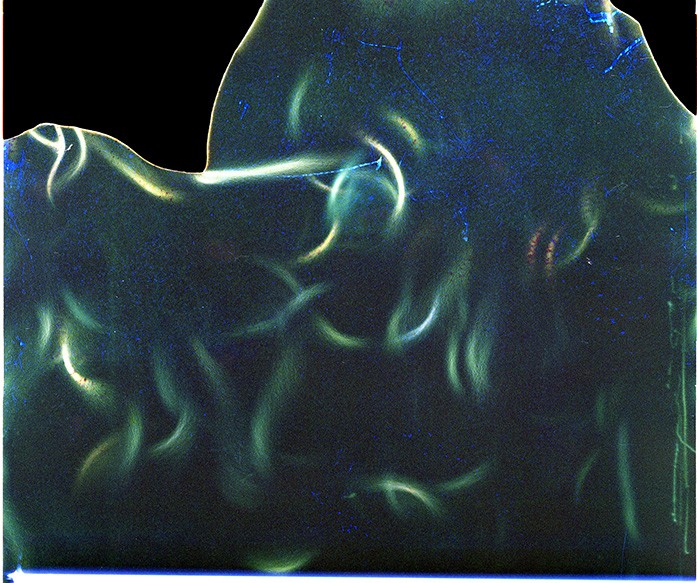
In an immersive context, the act of viewing transforms into an act of participation. Immersive Gallery embraces this shift, creating works that respond to proximity, motion, and choice.
The audience shapes the experience as much as the artwork itself. No two visits are identical; each interaction leaves a subtle trace, altering how the space is perceived by the next observer.
This relationship between viewer and environment challenges traditional authorship. Meaning emerges through engagement, making Immersive Gallery a living system—one that evolves through presence.

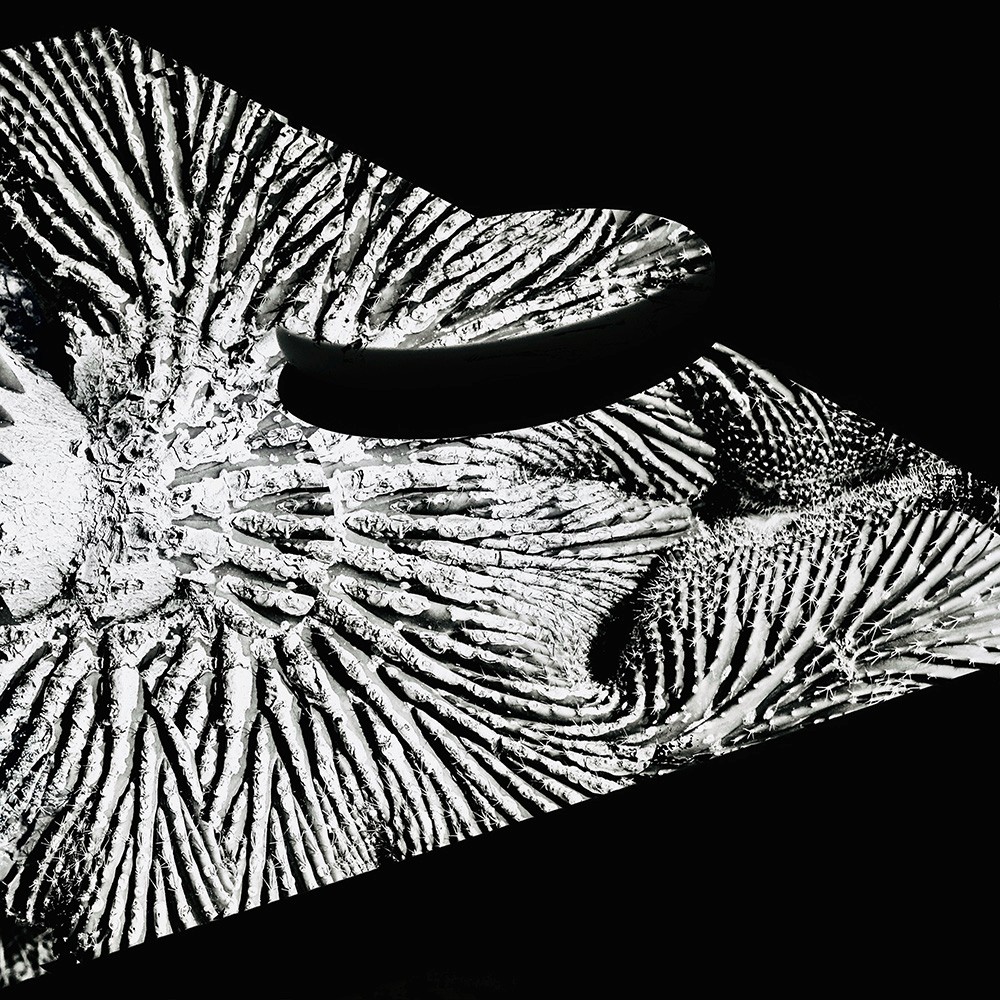
The works operate as “memory terrains”: layered environments where physical textures and digital echoes merge into new, speculative forms of remembrance. Rather than representing memory, the exhibition treats it as something fluid, generative, and spatial — a field that expands, compresses, or glitches depending on the viewer’s movement and attention.
By navigating these constructed memory spaces, visitors encounter the tension between what is remembered, what is fabricated, and what emerges in the act of looking.
The works operate as “memory terrains”: layered environments where physical textures and digital echoes merge into new, speculative forms of remembrance. Rather than representing memory, the exhibition treats it as something fluid, generative, and spatial — a field that expands, compresses, or glitches depending on the viewer’s movement and attention.
By navigating these constructed memory spaces, visitors encounter the tension between what is remembered, what is fabricated, and what emerges in the act of looking.


Content
Content
The viewer as participant
Nov 11, 2025
In an immersive context, the act of viewing transforms into an act of participation. Immersive Gallery embraces this shift, creating works that respond to proximity, motion, and choice.
The audience shapes the experience as much as the artwork itself. No two visits are identical; each interaction leaves a subtle trace, altering how the space is perceived by the next observer.
This relationship between viewer and environment challenges traditional authorship. Meaning emerges through engagement, making Immersive Gallery a living system—one that evolves through presence.
The works operate as “memory terrains”: layered environments where physical textures and digital echoes merge into new, speculative forms of remembrance. Rather than representing memory, the exhibition treats it as something fluid, generative, and spatial — a field that expands, compresses, or glitches depending on the viewer’s movement and attention.
By navigating these constructed memory spaces, visitors encounter the tension between what is remembered, what is fabricated, and what emerges in the act of looking.