PERFORMANCE
ALL
Architecture of perception
Nov 4, 2025

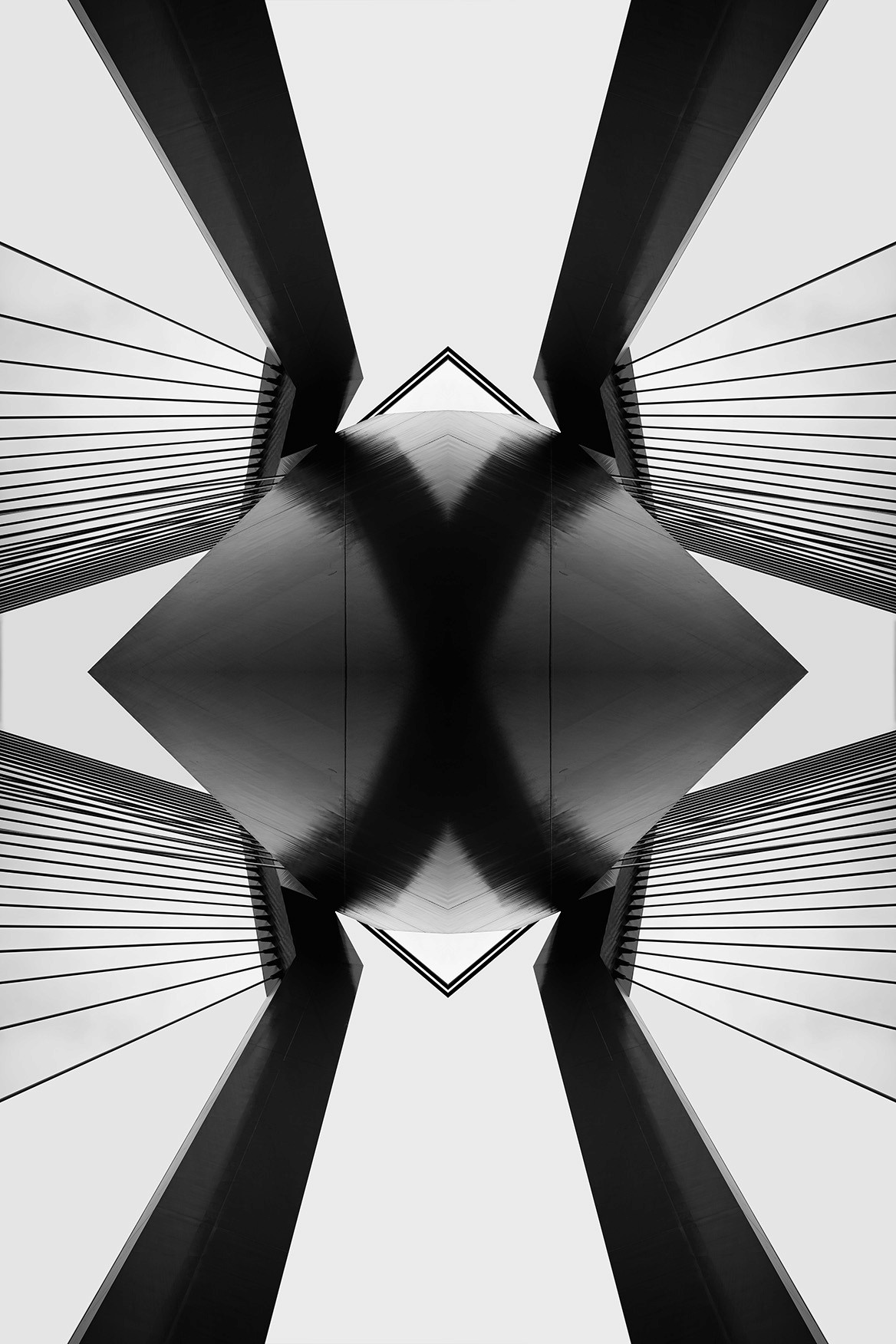
Architectures of Perception examines how space — physical, virtual, and imagined — shapes the ways we see and interpret the world. Drawing from spatial design, sensory research, and visual culture theory, the exhibition presents immersive environments where light, material, and digital geometry act as agents of perception.
Each installation functions as a micro-architecture: a constructed situation that alters the viewer’s orientation, scale, and sensory thresholds. These shifting conditions reveal how perception is not a passive act but an active negotiation between body, technology, and environment.
The exhibition invites visitors to move, pause, and re-observe, uncovering the architectures that continually frame and filter our visual experience.


Perception is not a passive act. It is constructed, layered, and continuously reshaped by memory, culture, and context. What we see is never neutral—it is framed by invisible structures that guide attention, assign meaning, and define relevance.
Like architecture, perception organizes space and experience. It establishes boundaries, creates focal points, and determines movement—both physical and mental. Light, scale, rhythm, and contrast influence not only how environments are read, but how they are felt.
In this architecture, the observer becomes an active participant. Each perspective alters the structure, each moment redraws its contours. Perception is fluid, yet disciplined—open to interpretation while governed by patterns we rarely question.
Understanding the architecture of perception allows us to challenge the familiar. It invites us to look again, to notice what is usually overlooked, and to recognize that reality is not simply seen, but designed.
Perception is not a passive act. It is constructed, layered, and continuously reshaped by memory, culture, and context. What we see is never neutral—it is framed by invisible structures that guide attention, assign meaning, and define relevance.
Like architecture, perception organizes space and experience. It establishes boundaries, creates focal points, and determines movement—both physical and mental. Light, scale, rhythm, and contrast influence not only how environments are read, but how they are felt.
In this architecture, the observer becomes an active participant. Each perspective alters the structure, each moment redraws its contours. Perception is fluid, yet disciplined—open to interpretation while governed by patterns we rarely question.
Understanding the architecture of perception allows us to challenge the familiar. It invites us to look again, to notice what is usually overlooked, and to recognize that reality is not simply seen, but designed.


Content
Content
Architecture of perception
Nov 4, 2025
Architectures of Perception examines how space — physical, virtual, and imagined — shapes the ways we see and interpret the world. Drawing from spatial design, sensory research, and visual culture theory, the exhibition presents immersive environments where light, material, and digital geometry act as agents of perception.
Each installation functions as a micro-architecture: a constructed situation that alters the viewer’s orientation, scale, and sensory thresholds. These shifting conditions reveal how perception is not a passive act but an active negotiation between body, technology, and environment.
The exhibition invites visitors to move, pause, and re-observe, uncovering the architectures that continually frame and filter our visual experience.
Perception is not a passive act. It is constructed, layered, and continuously reshaped by memory, culture, and context. What we see is never neutral—it is framed by invisible structures that guide attention, assign meaning, and define relevance.
Like architecture, perception organizes space and experience. It establishes boundaries, creates focal points, and determines movement—both physical and mental. Light, scale, rhythm, and contrast influence not only how environments are read, but how they are felt.
In this architecture, the observer becomes an active participant. Each perspective alters the structure, each moment redraws its contours. Perception is fluid, yet disciplined—open to interpretation while governed by patterns we rarely question.
Understanding the architecture of perception allows us to challenge the familiar. It invites us to look again, to notice what is usually overlooked, and to recognize that reality is not simply seen, but designed.